
- Web Development Case Study
Websites Built for Performance & Growth
See how our website development approach transformed outdated digital experiences into fast, responsive, user-friendly websites designed to improve engagement, visibility, and conversions.
Faster Performance
User Engagement
Conversions
Search Visibility
01. Introduction
Turning Ideas Into High-Performing Websites
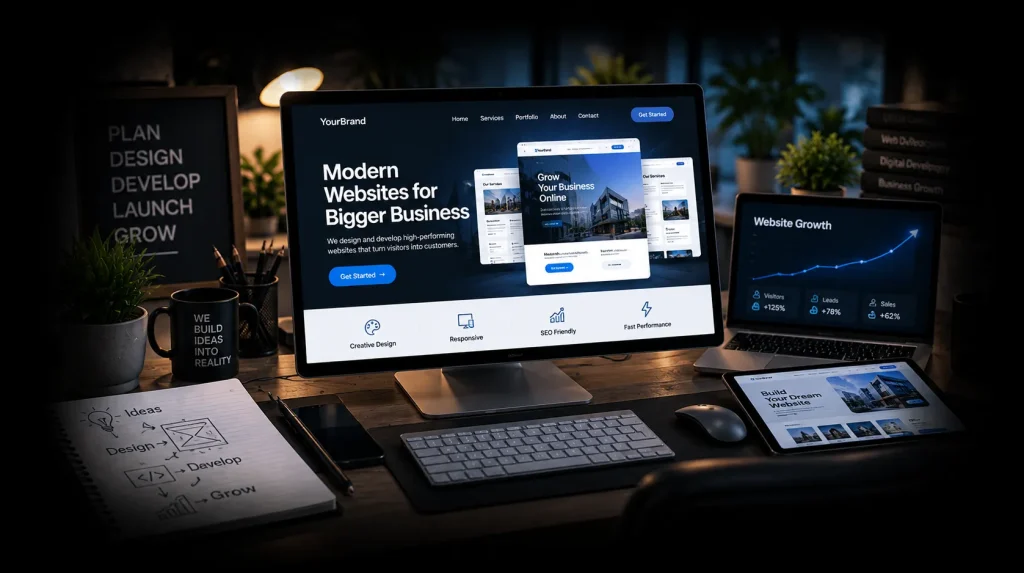
A successful website needs more than an attractive design. We combine modern development, responsive design, intuitive user experience, fast performance, and scalable functionality to create websites that work smoothly across devices and support measurable online growth.
From WordPress and Shopify to custom website solutions, every project is developed around performance, usability, and long-term scalability.
02. Client Background
Websites Built Around Real Goals
We worked on websites across retail, healthcare, real estate, consultancy, e-commerce, and other service-based industries. Each project had different requirements, from professional business websites and portfolios to feature-rich e-commerce stores.
Our goal was to transform each requirement into a fast, responsive, easy-to-manage website built around the audience and project objectives.
Industries
Multiple Industries
Platforms
WordPress, Shopify & Custom
Primary Goal
Performance & Conversions
Services
Design & Development
03. Challenges
What Was Holding the Websites Back
Outdated Website Design
Older layouts and interfaces created poor experiences and made websites feel less professional.
Poor Mobile Experience
Non-responsive pages made navigation difficult and reduced usability across mobile and tablet devices.
Slow Website Performance
Heavy pages and technical issues affected loading speed, engagement, and overall website performance.
Limited Functionality
Outdated technology and missing integrations prevented websites from supporting modern user and project requirements.
Weak Conversion Journey
Unclear navigation and poorly structured pages made it harder for visitors to take meaningful actions.
Contact Form Issues
Broken or unreliable contact forms caused missed enquiries and made it harder for visitors to connect with the business.



Client-end Requirement Step
To build your professional website, please provide the following information:
Company Logo – High-quality version of your logo.
Color Theme – Light or dark theme? Include color codes matching your brand.
Font Style – Any preferred fonts for your website.
Domain & Hosting – Share existing details or we can set them up.
Contact Information – Phone number, email, and office location.
List of Services – Complete list of services you offer.
Company Introduction – Detailed paragraph describing your business, mission, and goals.
Portfolio – Samples of previous projects or work.
Team Information – Photos and designations of team members.
Client Reviews/Testimonials – Feedback from clients to showcase credibility.
Social Media Links – Instagram, Facebook, LinkedIn, or other platforms.
FAQs – Questions and answers you want to include (or we can create).
Clients You’ve Worked With – Logos or names of notable clients.
Photos & Videos – Office, team, or service-related images/videos.
Contact/Lead Options – How clients can reach you: WhatsApp, email, or a quote form on the website.
Additional Note:
If any information (like team photos, client logos, or service details) is missing, we will guide you to provide it before starting development to ensure a smooth and efficient process.
If your business website needs to rank on Google and reach more clients, SEO is crucial. Our professional SEO solutions improve visibility, increase traffic, and grow your business online.
To get started with building your e-commerce website, please provide the following details and materials:
Company Logo – High-quality image of your logo.
Color Theme – Light or dark theme? Provide color codes matching your logo or brand.
Font Style – Any specific fonts you want us to use.
Domain & Hosting – If already available, share details. If not, we can assist.
Contact Information – Phone number, email, and physical location (if required).
Product List – Names, images, descriptions, and prices of products to be added.
Payment Methods – Mention available options: COD, bank transfer, credit/debit card, Visa, PayPal, Google Pay, etc.
Company Introduction – Detailed paragraph describing your business.
Portfolio/Previous Work – Optional for e-commerce, only if you want to show prior projects.
Client Reviews/Testimonials – Any existing feedback from customers.
Social Media Links – Links to Instagram, Facebook, TikTok, or other platforms.
FAQs – Frequently asked questions you want on the website (if none, we can create).
Brands/Clients – List of brands or suppliers your store works with.
Photos & Videos – Product images, promotional videos, or any media related to your store.
Additional Note:
If any details are missing (like product images, descriptions, or payment info), we will guide you step by step to provide them before starting the development process.
If you want your online store to rank on Google and attract more customers, SEO is essential. Our expert SEO services help your store achieve top Google rankings and boost sales.
04. Development Process
From Concept to a Powerful Website
01
Discovery & Planning
We define website goals, audience needs, functionality, and structure to create a clear development roadmap.
02
Design & Development
We build responsive layouts and functionality focused on usability, performance, and consistent brand presentation.
03
Testing & Optimization
We test responsiveness, speed, functionality, and usability to ensure a smooth experience across devices.
04
Launch & Support
We complete final checks, launch the website, and provide support for reliable ongoing performance.
05. Key Projects
Websites Built for Different Goals
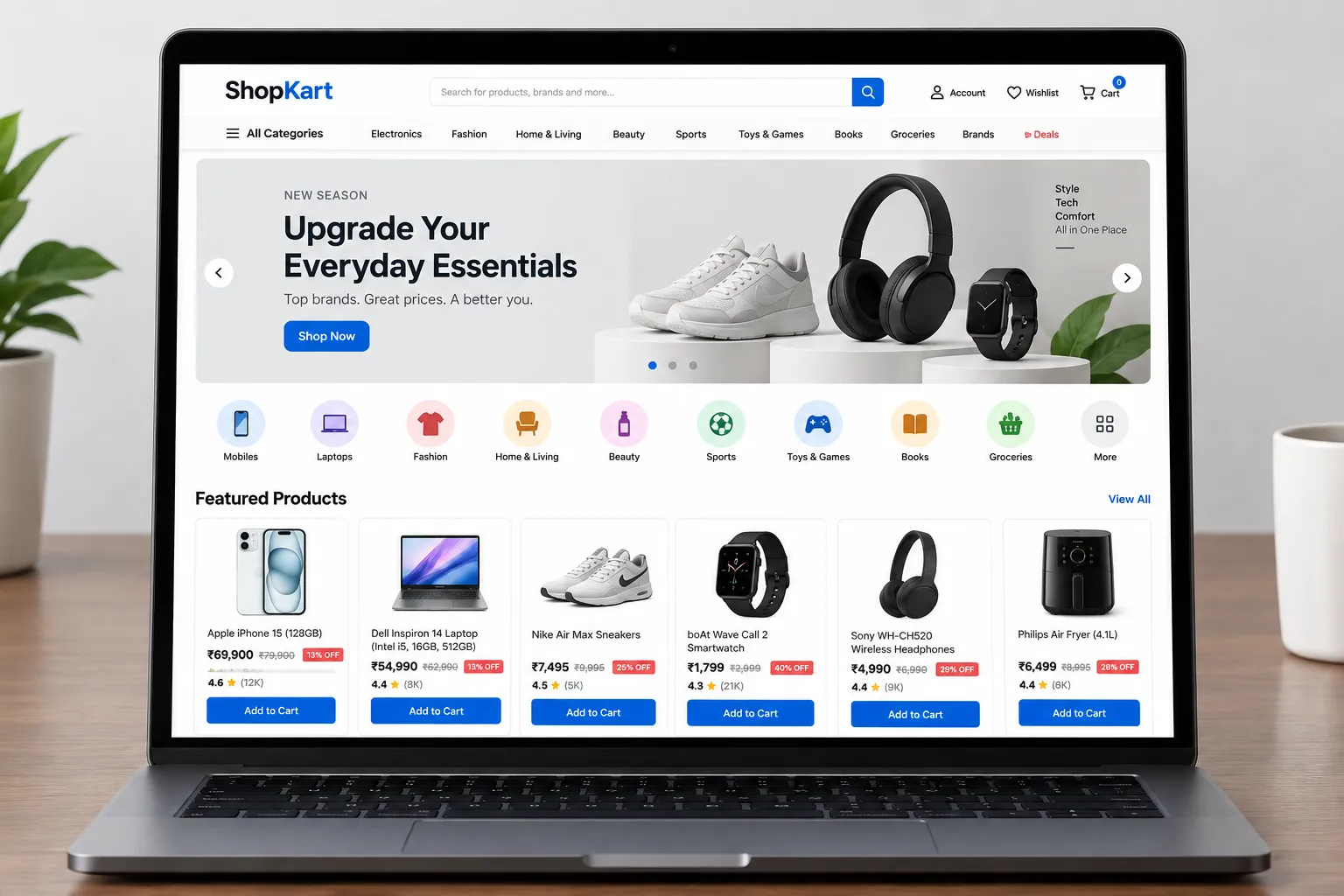
E-Commerce Websites
Developed responsive online stores with intuitive product journeys, secure checkout functionality, and smooth shopping experiences.
Business Websites
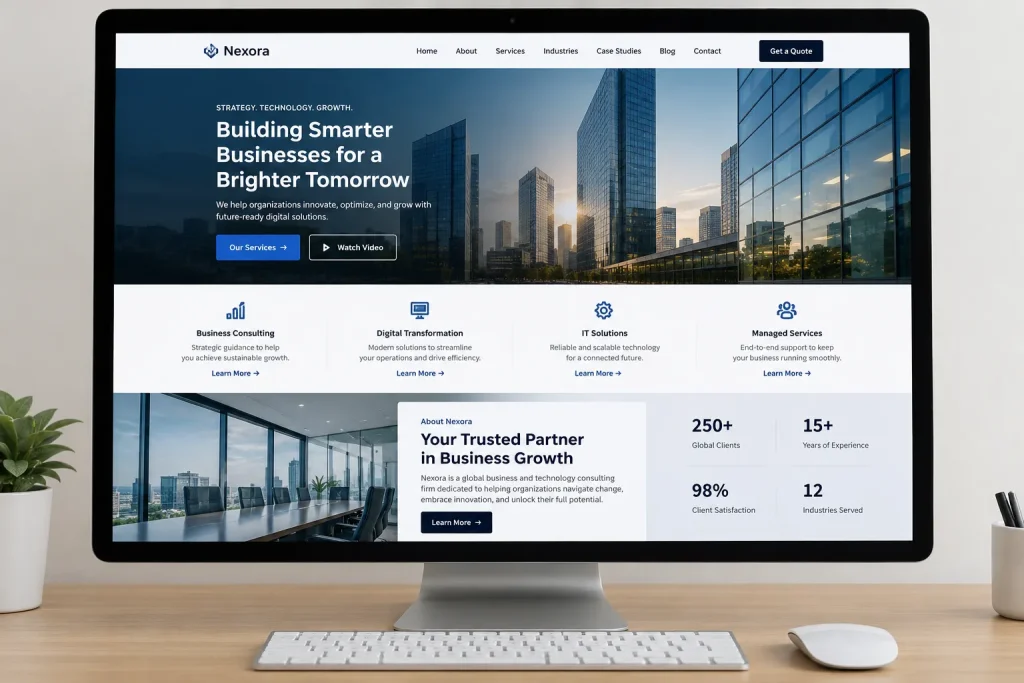
Created professional websites that clearly present services, strengthen credibility, and support lead generation.
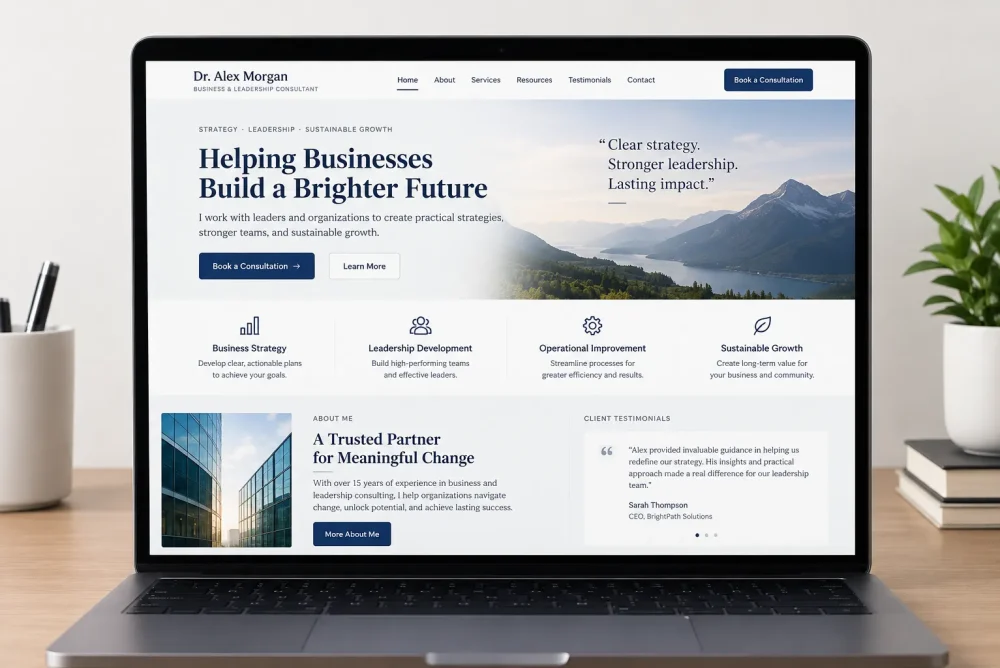
Portfolio Websites
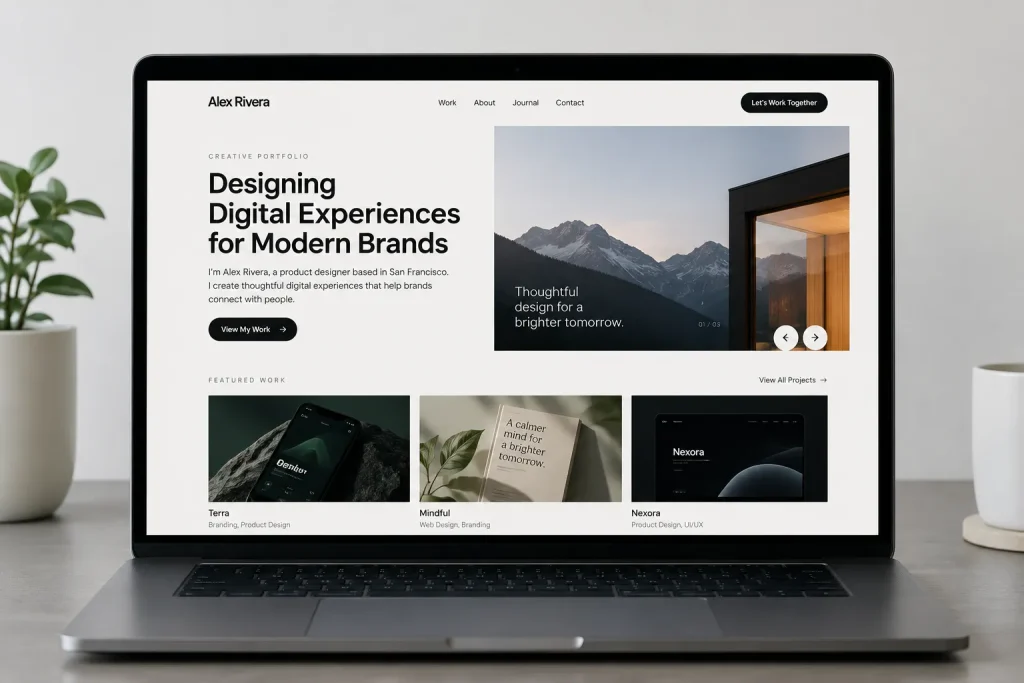
Designed visually engaging portfolio websites that showcase creative work, expertise, and professional identity.
Consultant Websites
Built conversion-focused service websites with clear user journeys, enquiry options, and booking functionality.
06. Results
Better Website. Stronger Performance.
Faster Website Experience
Performance improvements helped create faster and smoother browsing experiences.
Higher User Engagement
Responsive layouts and intuitive navigation helped visitors interact more effectively with website content.
Stronger Conversion Potential
Clear page structures and user journeys created more opportunities for enquiries, leads, and sales.
Improved Search Readiness
Better structure, responsiveness, and technical foundations supported stronger website visibility.
07. Conclusion
Websites Designed to Deliver Results
Effective web development combines design, functionality, performance, and user experience. By building responsive, fast, and scalable websites, we created stronger digital experiences that help attract visitors, improve engagement, and turn website traffic into meaningful actions.
Frequently Asked Questions
What types of websites do you develop?
We develop business websites, e-commerce stores, portfolio websites, consultant websites, blogs, and custom website solutions based on project requirements.
Which platforms do you use for website development?
We work with WordPress, Shopify, and custom development technologies depending on the website’s functionality, scalability, and business requirements.
Do you offer yearly website maintenance services?
Yes. We offer yearly website maintenance services to keep your website updated, secure, functional, and running smoothly.
Are your websites mobile responsive?
Yes. We build responsive websites designed to provide a smooth and consistent experience across desktops, tablets, and mobile devices.
Do you build SEO-friendly websites?
Yes. We follow SEO-friendly development practices including clean website structure, responsive design, performance optimization, and search-friendly page foundations.
Can you redesign an existing website?
Yes. We can redesign outdated websites to improve their appearance, usability, responsiveness, performance, and overall user experience.
How long does it take to design a complete website?
A standard website can be designed in as little as 4 days. However, the complete project timeline may vary depending on project requirements, revisions, content availability, and client response time.
Do you provide support after website launch?
Yes. Depending on project requirements, we can provide ongoing website support, maintenance, updates, and performance improvements after launch.